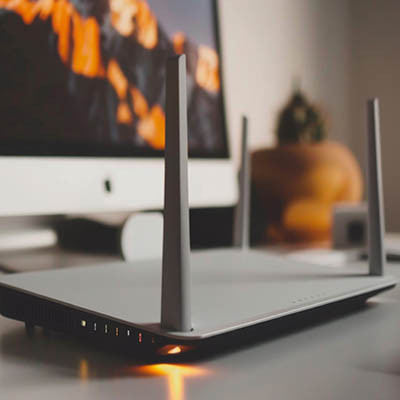

Have you ever thought about why your home Wi-Fi is fantastic in one spot but completely vanishes in another? You might have paid for the fastest internet package and own a brand-new router, yet you still deal with frustrating dead zones and slow connections. It turns out that one of the most crucial elements affecting your speed isn't your internet company or the router itself; it's simply where you decide to place the device.
Global Tech Solutions Blog
Patients and hospital visitors have come to expect Wi-Fi internet access. It’s no longer seen as an extra convenience, but a requirement for the comfort and confidence of your patients. That said, it’s your responsibility to provide reliable Wi-Fi access that is reasonably fast, secure, and easy to sign into.
There are plenty of small irritations to be found in the office, from a pot of coffee that someone neglected to refill to the sound of a squeaky chair under the office fidgetier. However, none are quite as infuriating (or as detrimental to productivity) as an inconsistent Wi-Fi signal. What makes the Wi-Fi so spotty, and how do you resolve that?
When you turn on your device’s Wi-Fi capabilities, do you ever take the time to look at some of the names of your neighbors’ connections? You’ll see some rather boring names as well; some might just use the name of their organization or the family’s name, or even just the default SSID used by the router. The fact of the matter is that a wireless network name that’s easy to gloss over is a best practice for network security.