

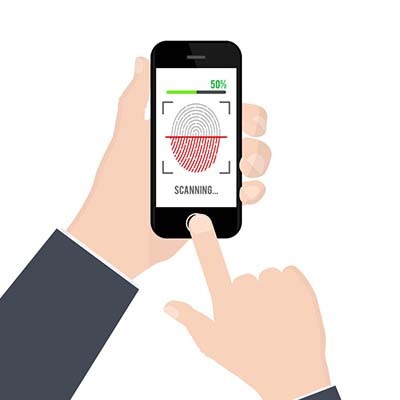
As smartphones have become smarter, they have become filled with more and more data that needs to be kept private for the owner’s safety and security. This is why it is fortunate that there are also more ways to secure a smartphone against unauthorized use. We’ll examine the many options to devise which is the most secure.
Global Tech Solutions Blog
Security is a part of business that is constantly changing and evolving. What worked ten years, five years, or even two years ago may not be relevant in today’s security environment. What are some of the major changes that your company can expect to see in the coming years? We’ll walk you through some of the ways that security will be changing in the foreseeable future, and what you can do about it.
In 2017, ransomware became a huge threat for businesses, so when discussing how nefarious actors will be leveraging new ransomware streams in 2018, you have to do so with some urgency. Today we will provide some information on ransomware, the current trends, and some trends you have to be very mindful of going forward.
Someday, you’re going to encounter a situation where you absolutely need Wi-Fi and the only option will be a public connection. This becomes rather problematic, as a public Wi-Fi connection is far from secure for business purposes. A method to maximize productivity without compromising security is needed for every business that has employees working out of the office, but what’s the best way to do it?
Does your business need an antivirus solution to keep threats out of your network? It’s a simple question with a simple answer, but some companies still don’t see the need for antivirus software on their computers. They might think they are immune, but hackers know the truth--and it’s all too apparent in the face of a data loss incident that hindsight is 20/20.
Hackers are always trying to find creative and new ways to steal data and information from businesses. While spam (unwanted messages in your email inbox) has been around for a very long time, phishing emails have risen in popularity because they are more effective at achieving the desired endgame. How can you make sure that phishing scams don’t harm your business in the future?
Passwords are all over the place these days, whether they’re required to access an online account, or access the devices used to open these accounts. While both types of passwords can make for ideal security conditions, this is only the case if the passwords are strong. If your passwords can be guessed by just about anyone, can you really call it a security measure? New insights from SplashData show that passwords aren’t being considered as much as they need to be.
As invaluable as the security solutions that protect a network are, they can be effectively rendered useless if a cybercriminal is skilled in social engineering. Social engineering is the practice of using manipulation to access protected resources, as we will review later. If your business and its team are vulnerable to a social engineering attempt, you are missing a critical piece of your data security strategy.
When so much of what we write is about the threats and attacks that exist (and are carried out) in cyberspace, it is particularly refreshing when we can discuss those responsible for these attacks in the context of their legal proceedings. For example, today we are able to discuss how actors in some of the biggest recent cybersecurity events have entered guilty pleas.
Connectivity is one of the major benefits of mobile technology, but some developments have taken this aspect to crazy (and borderline ridiculous) heights. The Internet of Things is forcing businesses to rethink the conventions of connectivity in ways which previously weren’t particularly necessary. Unsurprisingly, the Internet of Things is forcing business owners and normal users alike to remain skeptical of connected technology to a certain degree, and a survey from Cisco showcases this trend perfectly.
2018 could potentially be a big year for your business. However, your business needs to be around long enough to see any positives that may come its way, which means you need to be prepared for the negatives. Here are five resolutions for you to make this year to help preserve your organization’s cybersecurity.
This Christmas, technology is everywhere. Traditionally, the holidays were a time when things slowed down for businesses and people spent time with their families and put their work on the back burner. Those days are over. Today’s professional is lucky to get a day off for Christmas; and, because of the way business works today, may be asked to do more than ever around the holidays.
Few security problems are more dangerous than a network breach. Considering how much you could lose from an unexpected bout with a hacker, it’s no surprise that businesses are concerned. Yet, even some of the most troublesome threats like phishing attacks are often ignored. A new study introduces the groundbreaking thought that phishing attacks should be at the forefront of a business owner’s mind regarding network security.
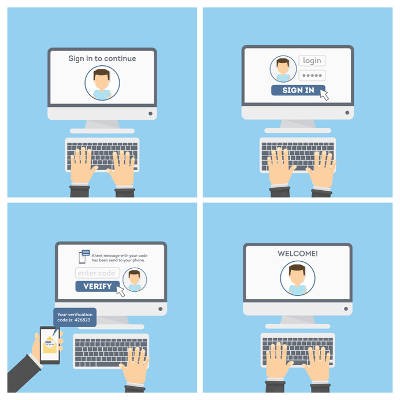
Data security has to be a core consideration of the modern business, so every small effort you can take to protect your business is important. One such effort is the implementation of two-factor authentication. However, your employees may not initially feel entirely comfortable with some facets of two-factor authentication.
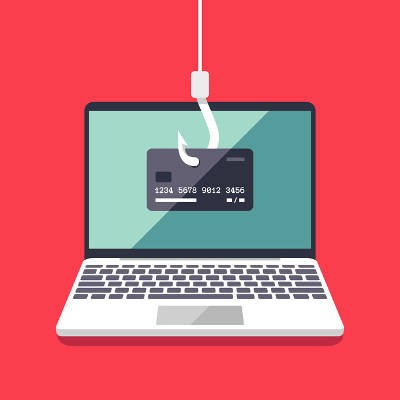
While many might see having a credit card stolen as identity theft, this is an oversimplification that can prove dangerous. While credit card theft can be an element of identity theft, equating the two means that other forms of identity theft are overlooked. In today’s blog, we’ll go over why identity theft and credit card theft aren’t exactly the same thing, and what you can do to help keep your business safe from damage.